Supporting Agency: World Horse Welfare; United Kingdom
Implementing Partners: Animal Health Training and Consultancy Service (AHTCS) and Nepal Animal Welfare and Environment Society (NAWES)
Duration: 2025-2026 Running
Theme: Welfare and Health of Working Equines
Sub Sectors: strengthen veterinary services, improve owner practices, enhance institutional capacity, Lobby Advocacy and Policy Contribution, community engagement improves health and animal welfare.
Catchment areas: Kanchanpur and Dang District of Nepal.
Project Description
Project Description
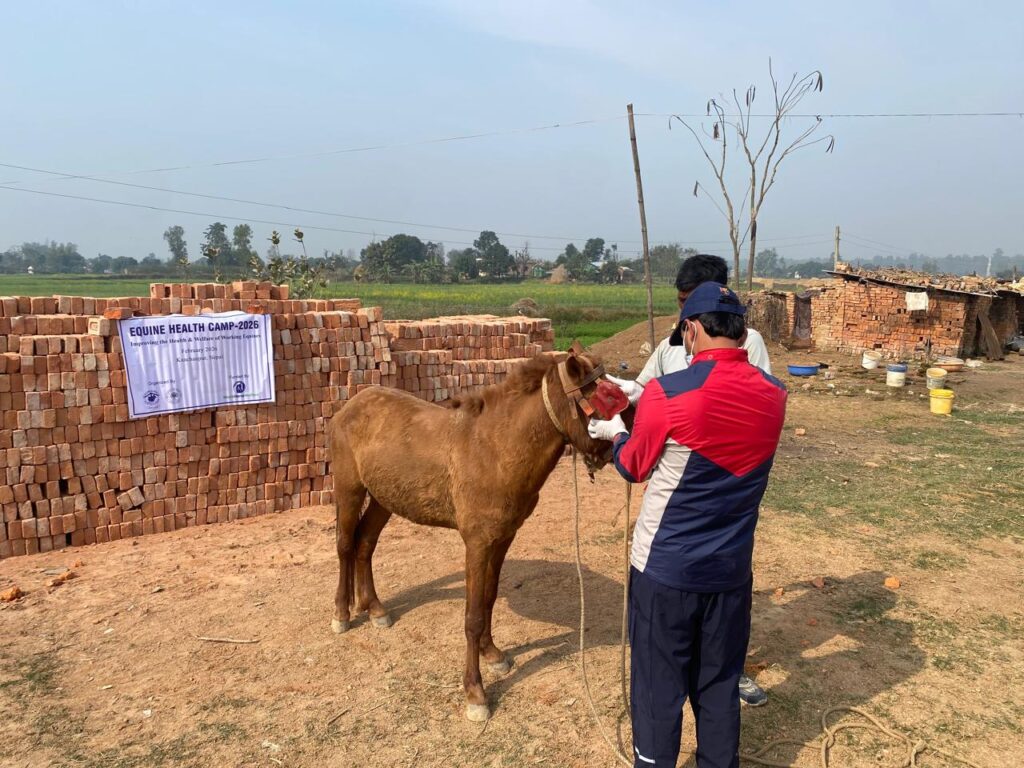
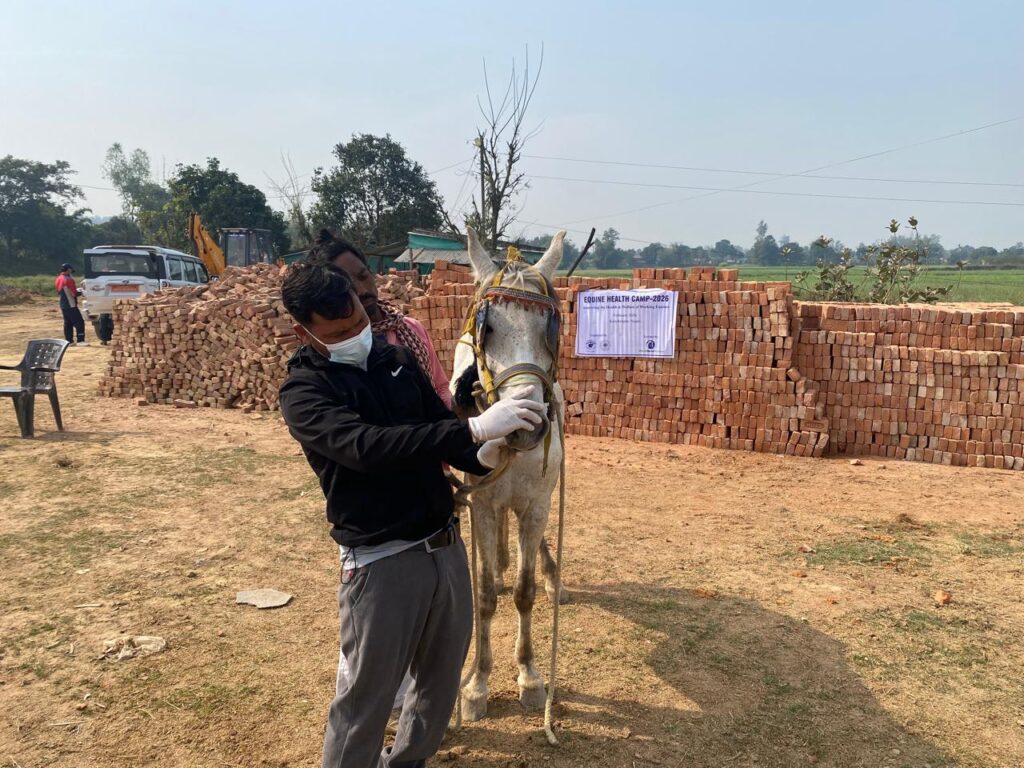
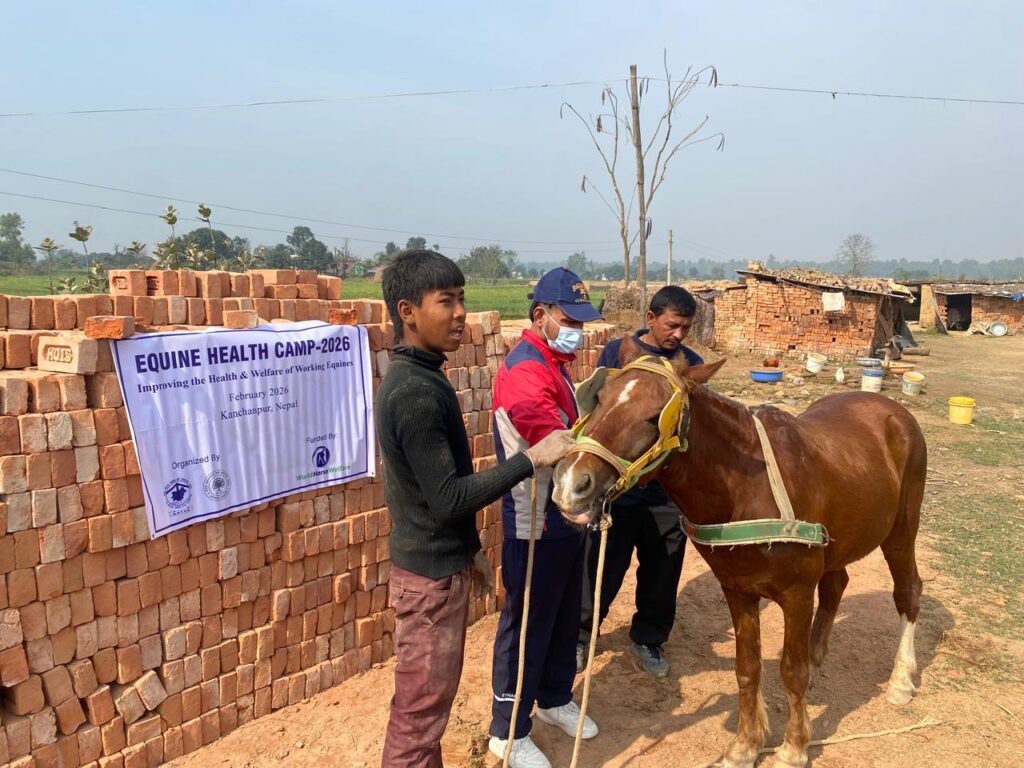
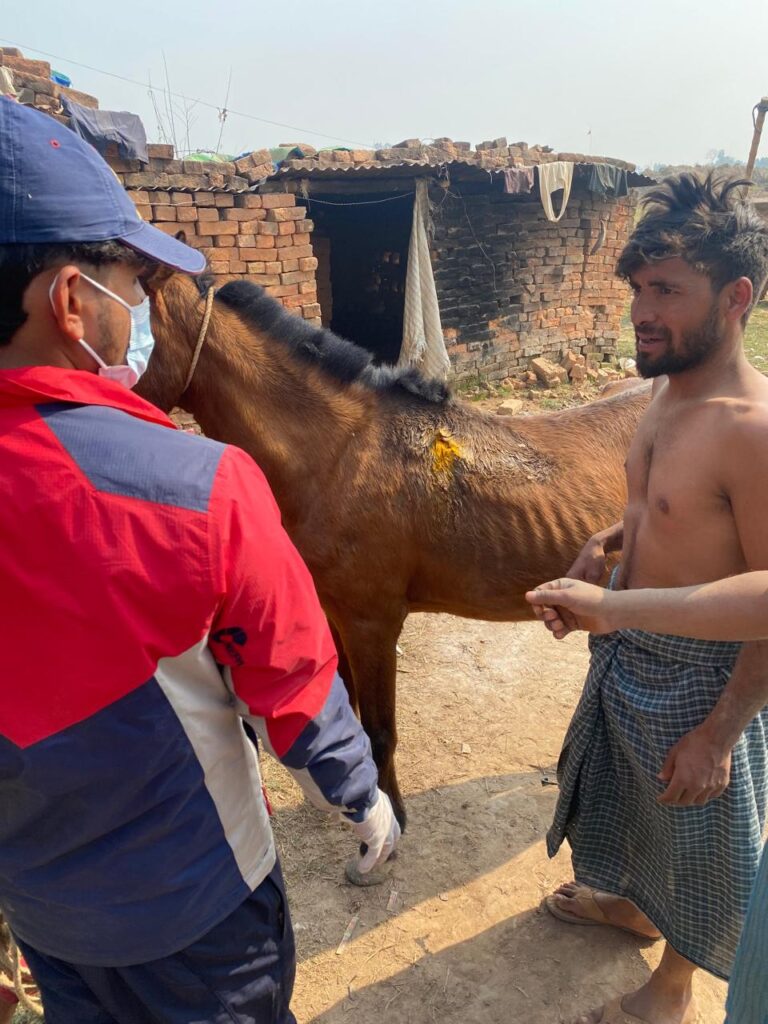
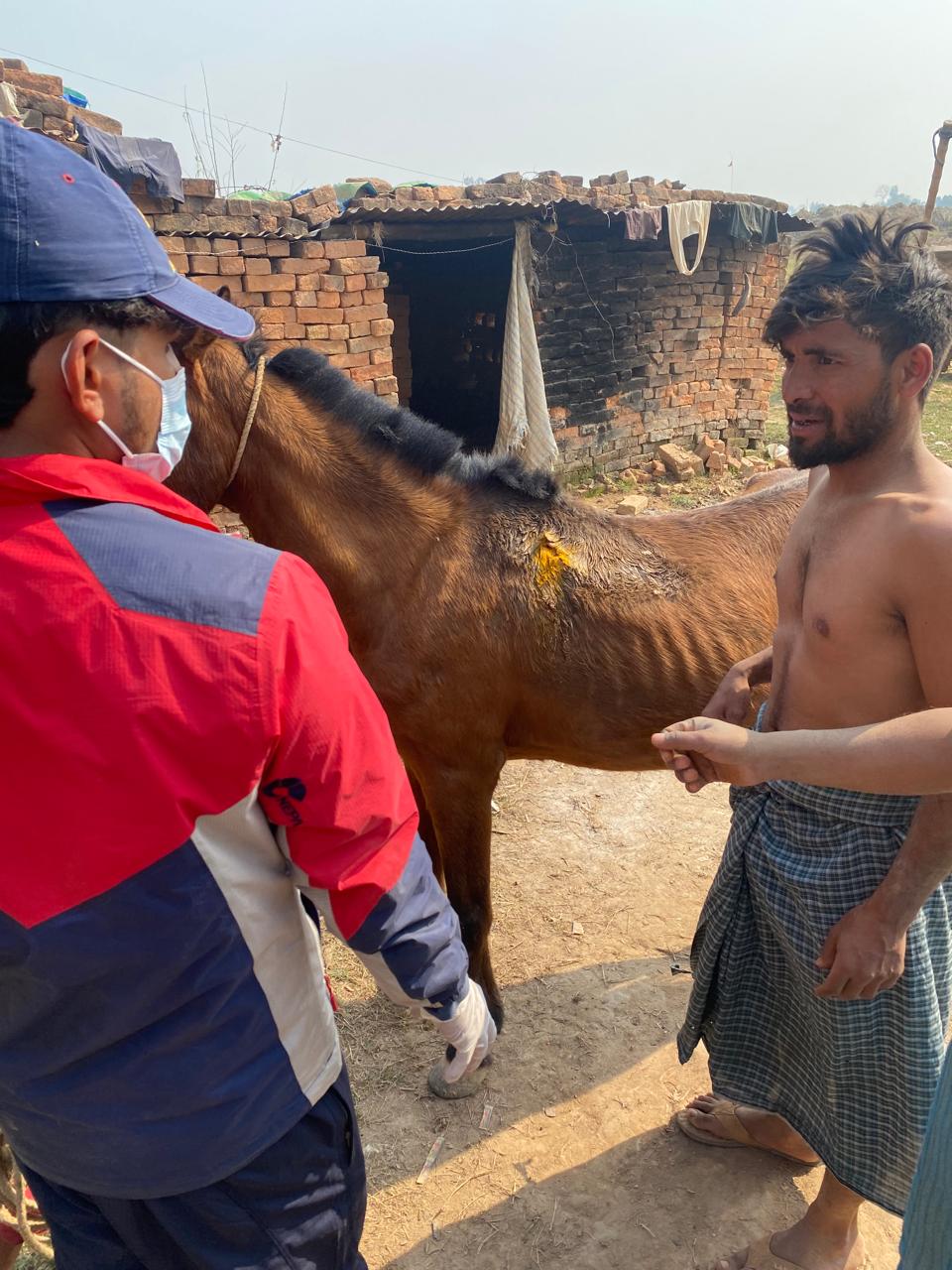
The Enhancing Welfare and Health of Working Equines in Dang and Kanchanpur Districts, Nepal project is a collaborative initiative by Animal Health Training and Consultancy Services (AHTCS) and Nepal Animal Welfare and Environment Society (NAWES), with support from World Horse Welfare. It aims to improve the health, welfare, and sustainable management of working equines, including horses, mules, and donkeys used in brick kilns and other labor-intensive sectors in western Nepal. These animals are vital for transporting raw materials and finished bricks, yet many suffer from poor management, inadequate nutrition, limited veterinary care, excessive workloads, and exposure to infectious diseases. Assessments in Dang and Kanchanpur identified around 418 and 164 equines, respectively, with limited access to specialized veterinary services, resulting in injuries from improper harnessing, hoof problems, and poor body condition.
To address these challenges, the project will implement a 9-month pilot (April–December 2026) focused on improving veterinary service access, strengthening local veterinary capacity, promoting better management practices among owners, and advocating for welfare standards in brick kiln operations. Through health services, training, community engagement, monitoring, and policy advocacy, the project seeks to establish a sustainable approach to equine welfare while supporting the livelihoods of communities that depend on these working animals.
Goal
To improve the health, welfare, and sustainable management of working equines in Dang and Kanchanpur districts through strengthened veterinary services, improved owner practices, enhanced institutional capacity, and stronger policy support for working animal welfare.
Project Command Areas and Community Profile
The project will be implemented in Tulsipur Sub-Metropolitan City of Dang and Punarvas and Belauri Municipalities of Kanchanpur, western Nepal, where seasonal brick kiln industries rely heavily on working equines. These animals are either locally owned or migrate from nearby districts and India during peak production, and their owners, mostly from economically marginalized communities, depend on them for livelihoods. Limited resources and technical knowledge contribute to common welfare challenges, including injuries from improper harnessing, hoof disorders, poor nutrition, limited veterinary access, low welfare awareness, and risks of infectious and zoonotic diseases. Enhancing equine welfare is essential for animal health and sustaining productivity in the brick kiln sector.
Key Problems and Project Interventions
- Limited Veterinary Services for Equines
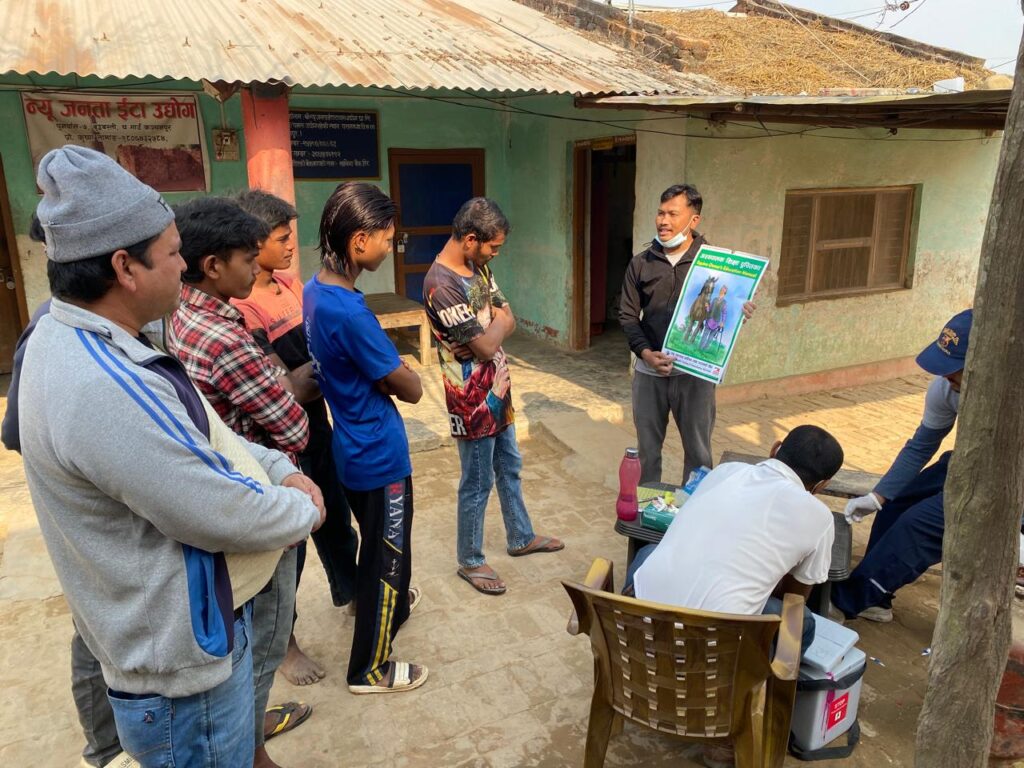
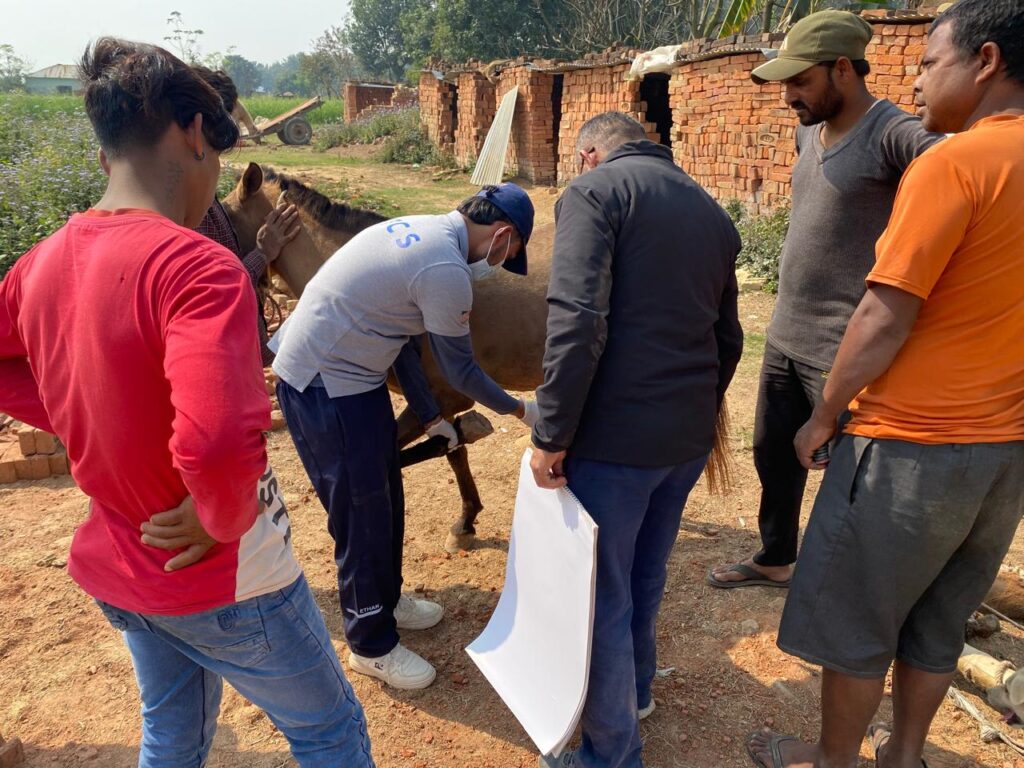
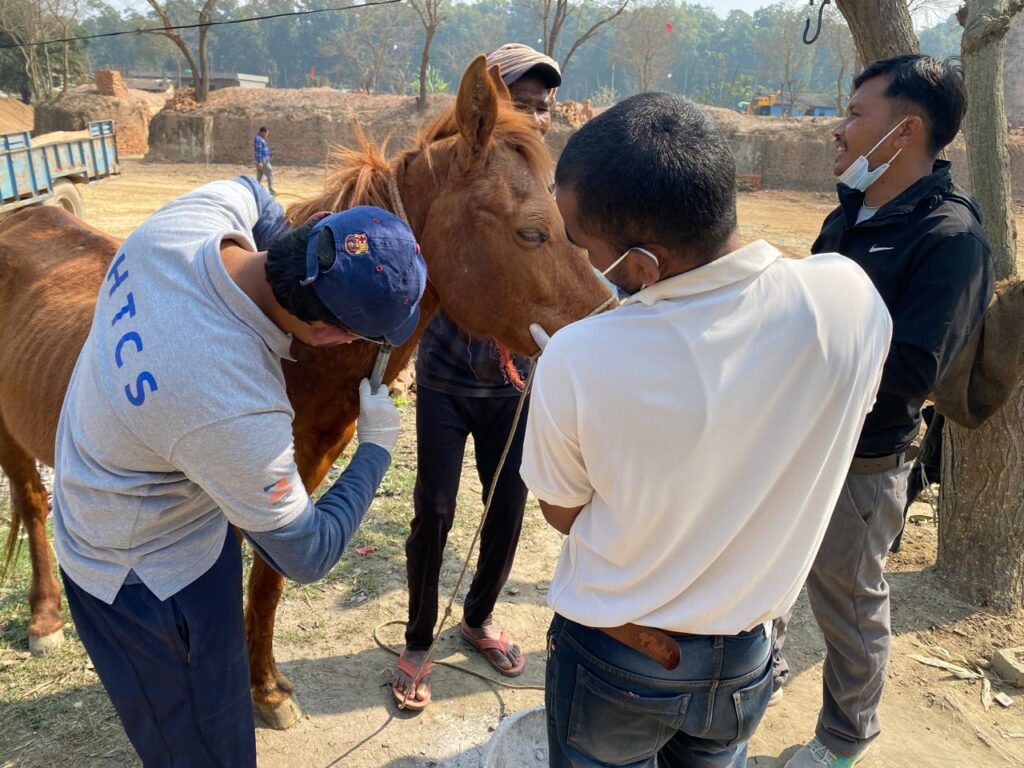
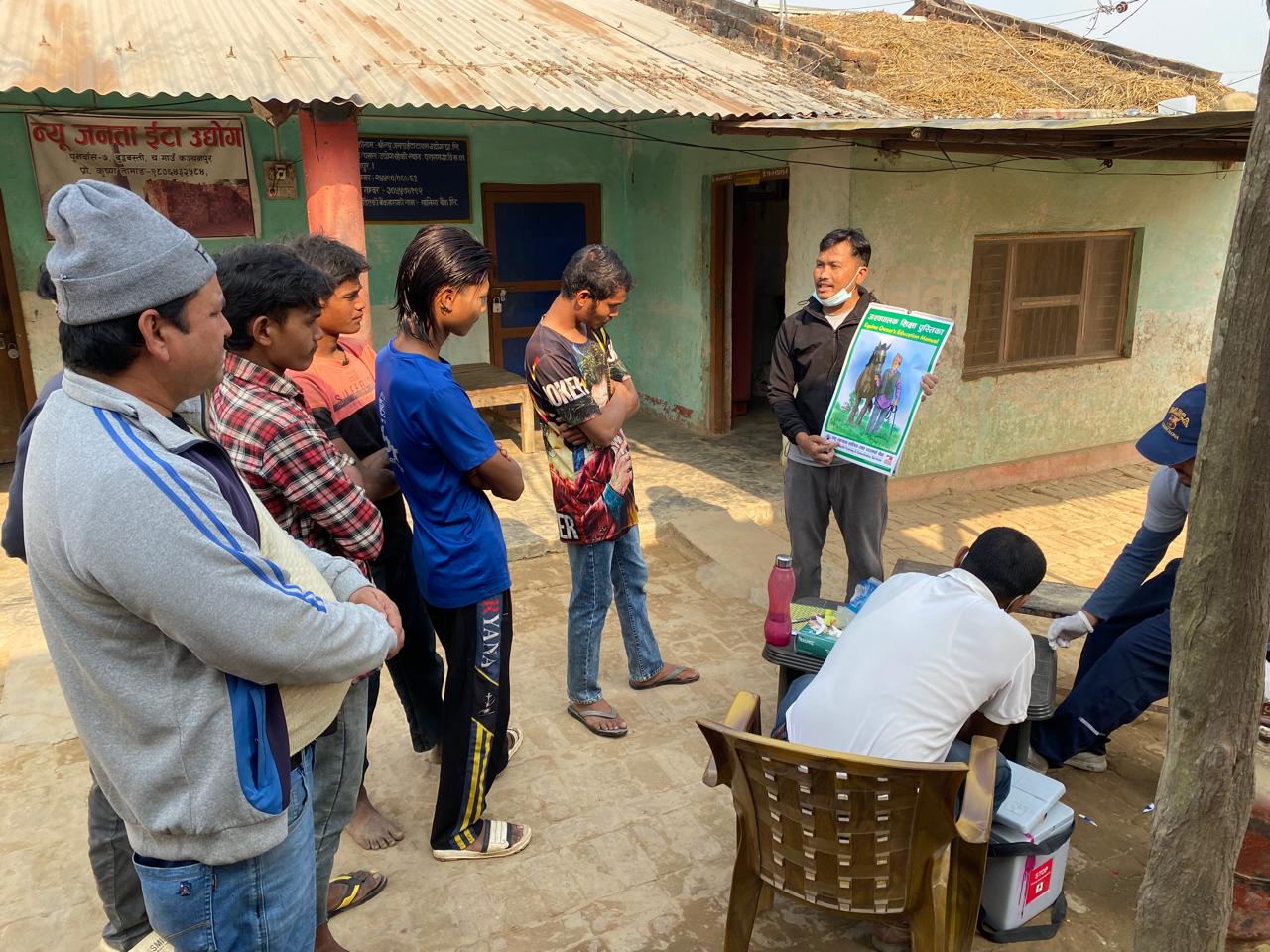
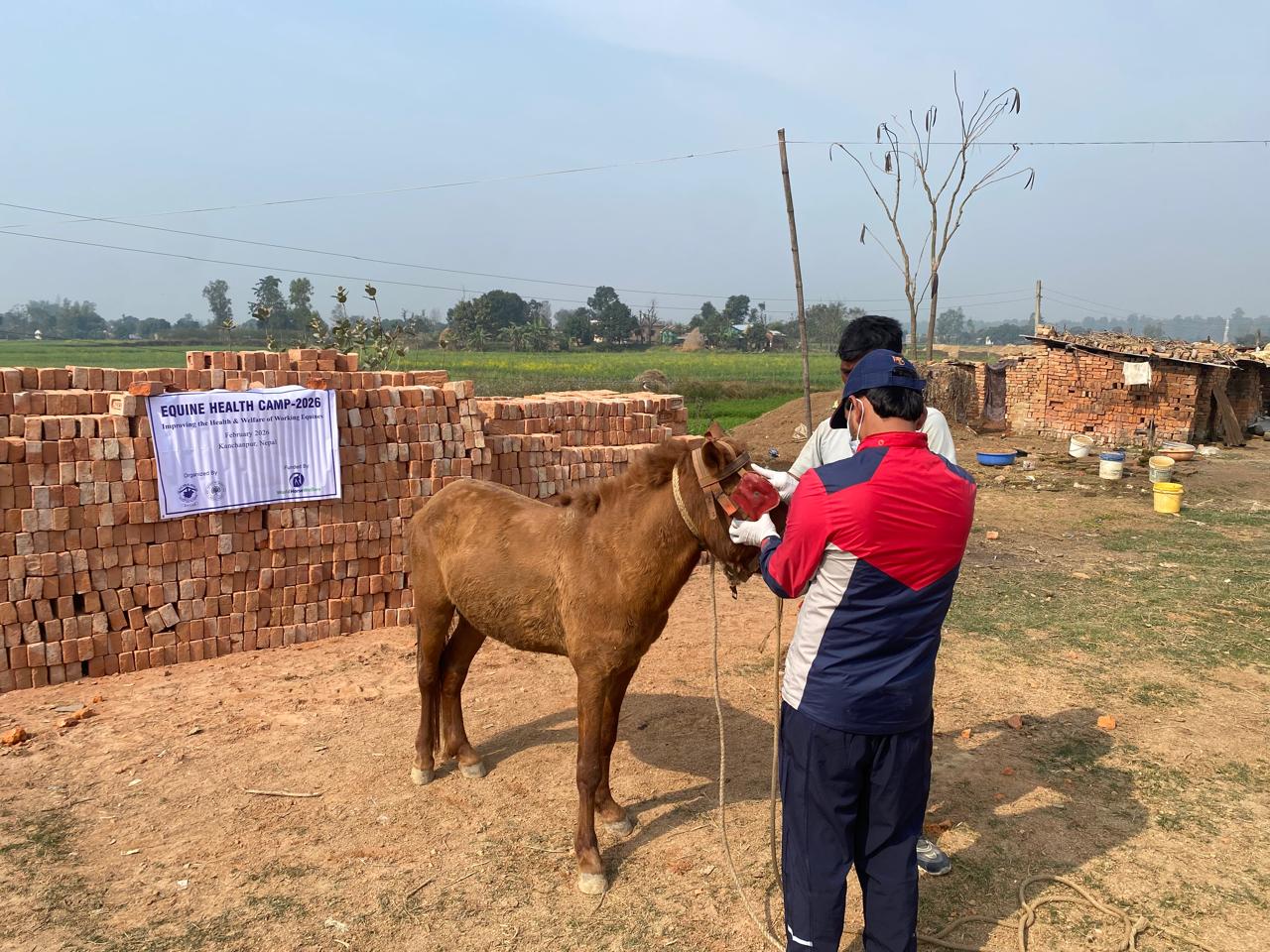
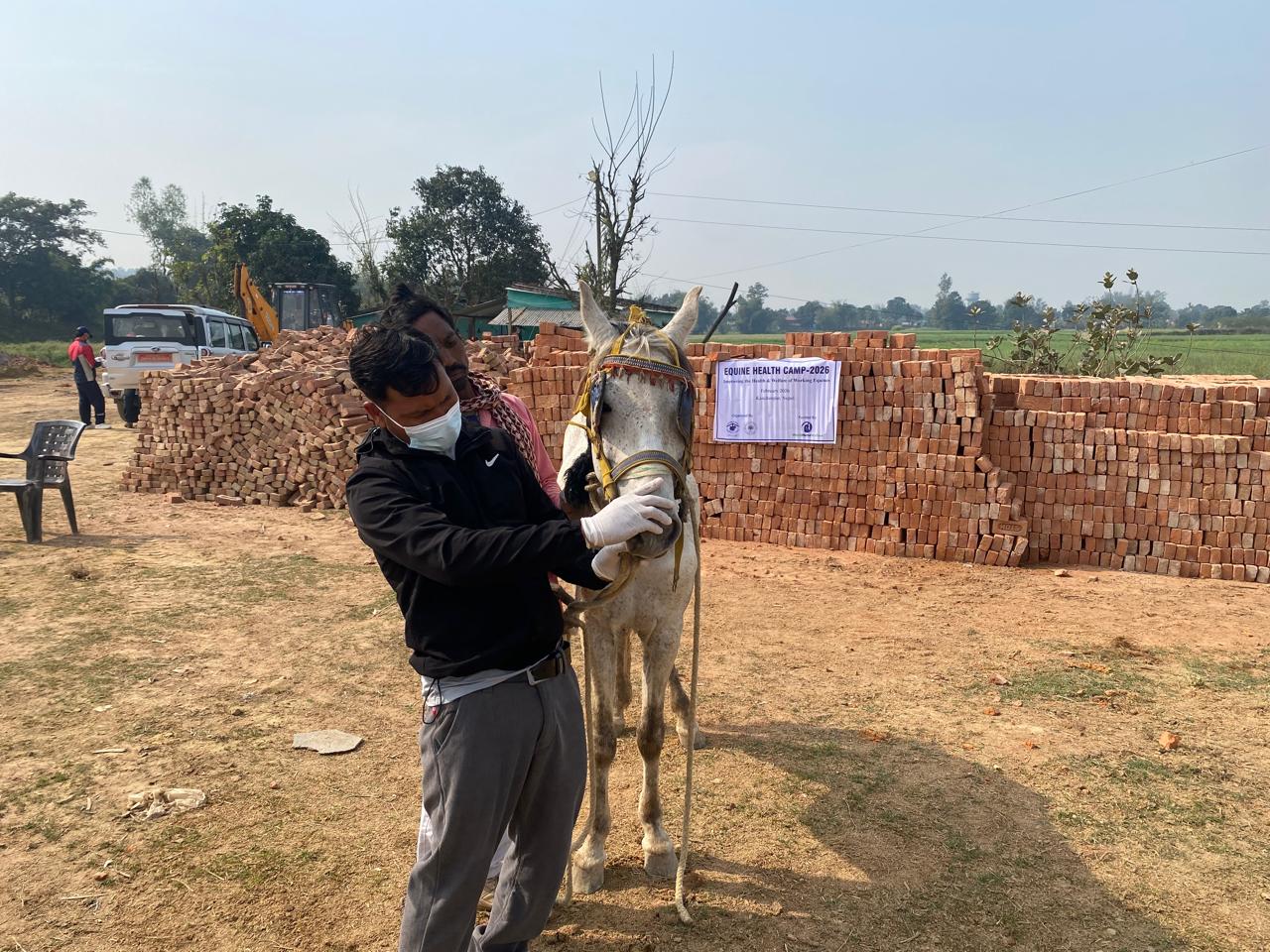
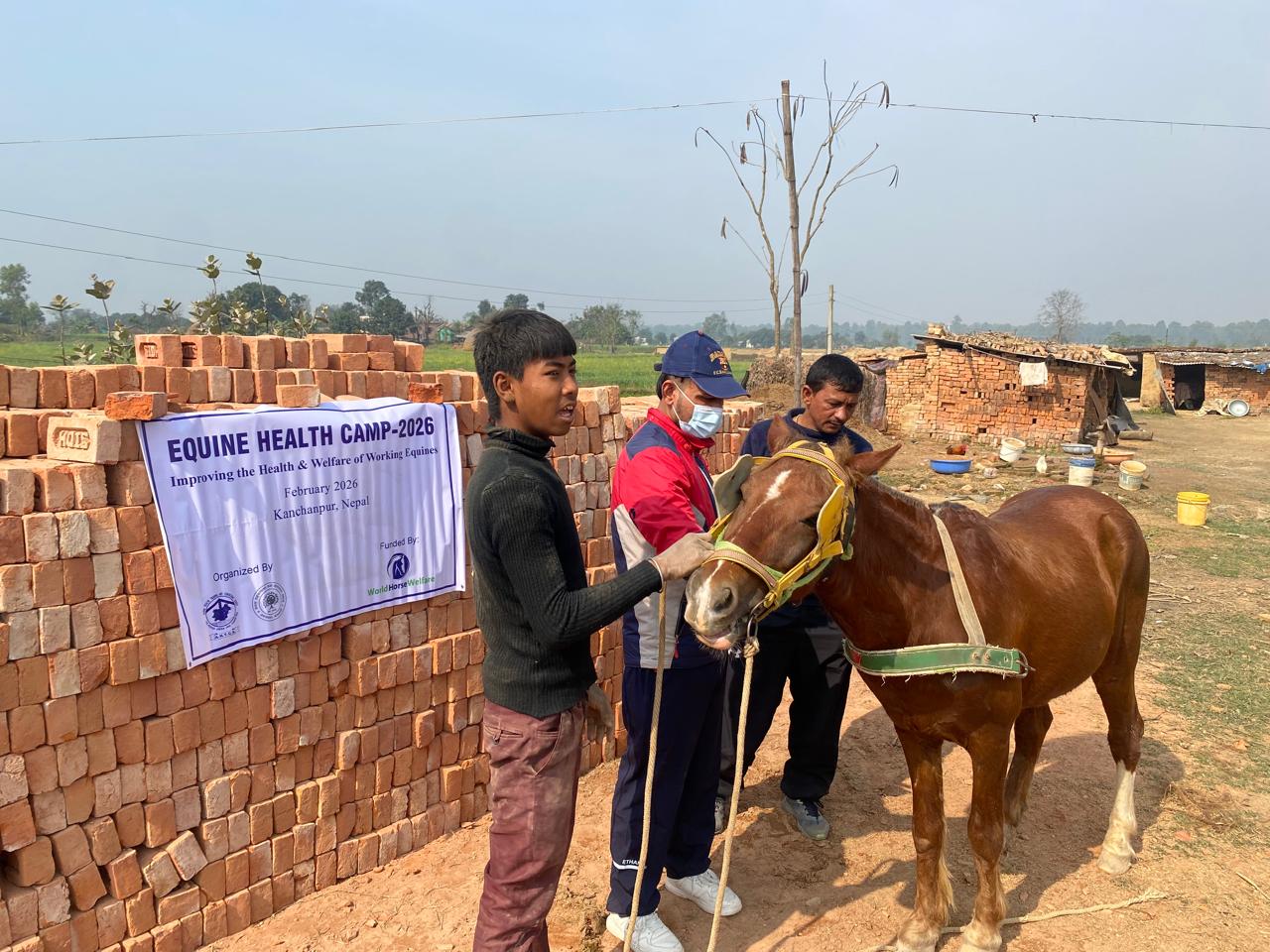
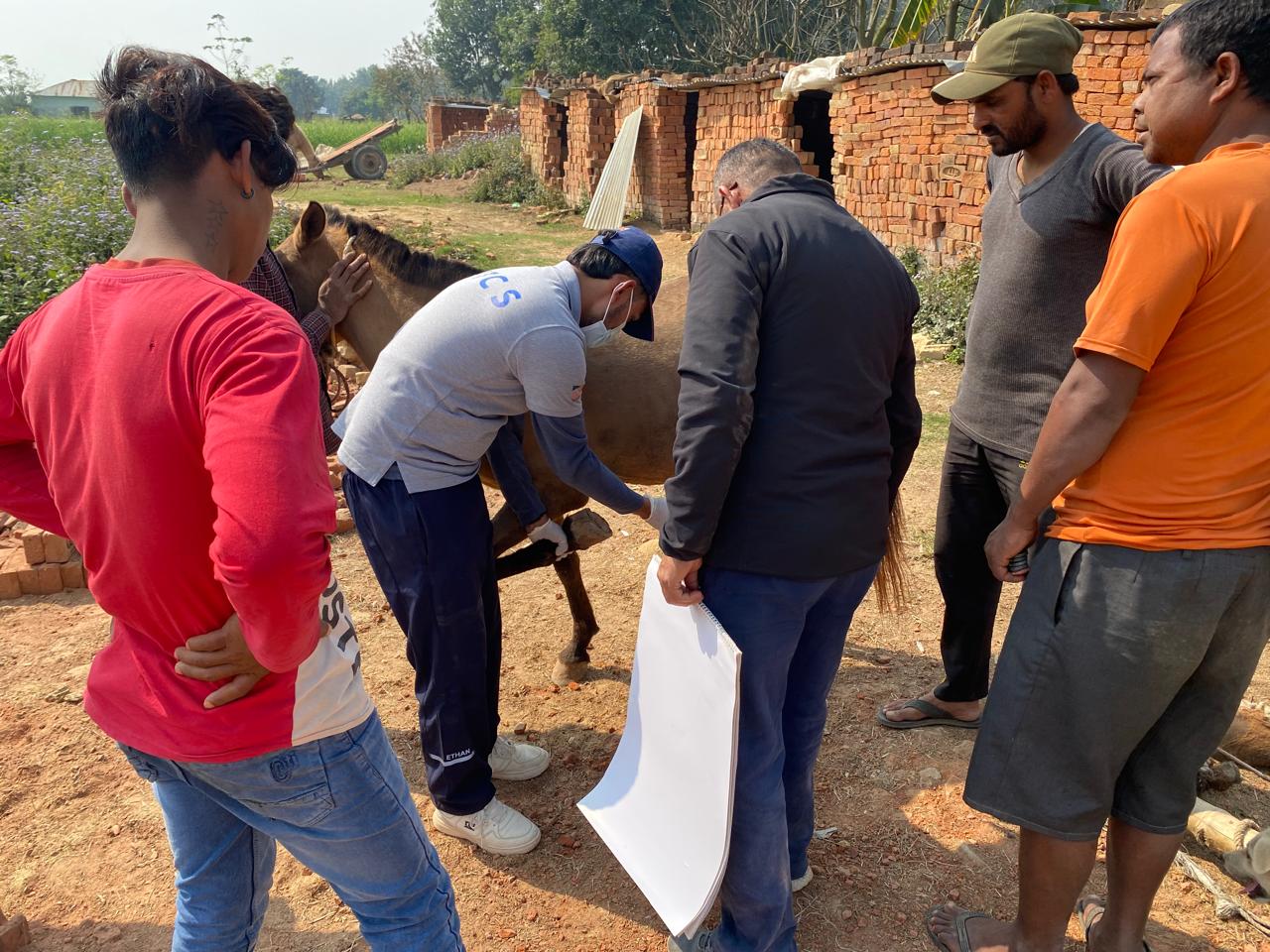
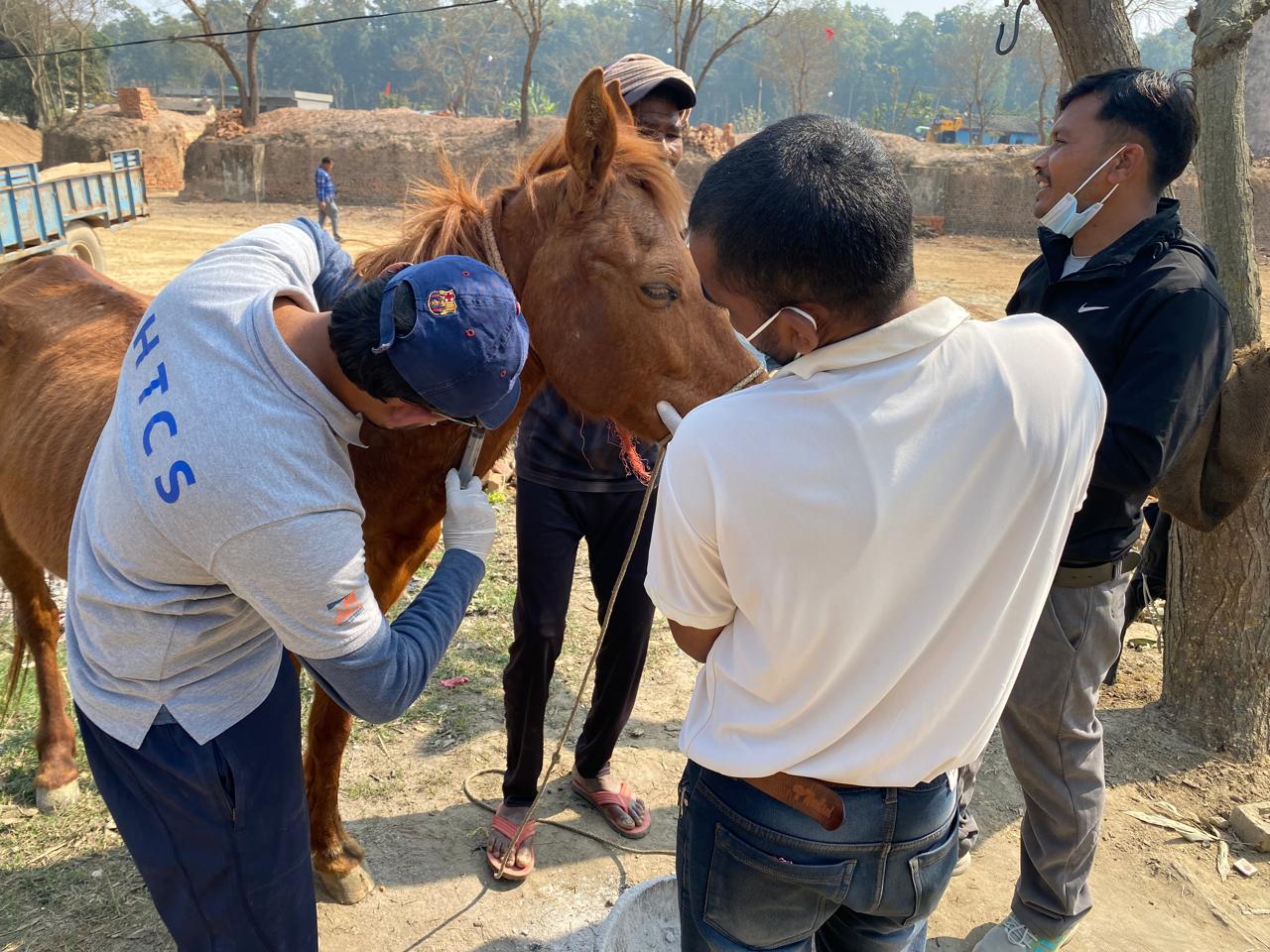
Veterinary services in the project areas mainly focus on other livestock, leaving working equines with limited access to specialized healthcare and resulting in untreated injuries and diseases. The project will address this gap by providing regular equine health camps and mobile veterinary services, including treatment, vaccination, deworming, wound management, and hoof care.
- Lack of Adequate Knowledge Among Equine Owners and Handlers
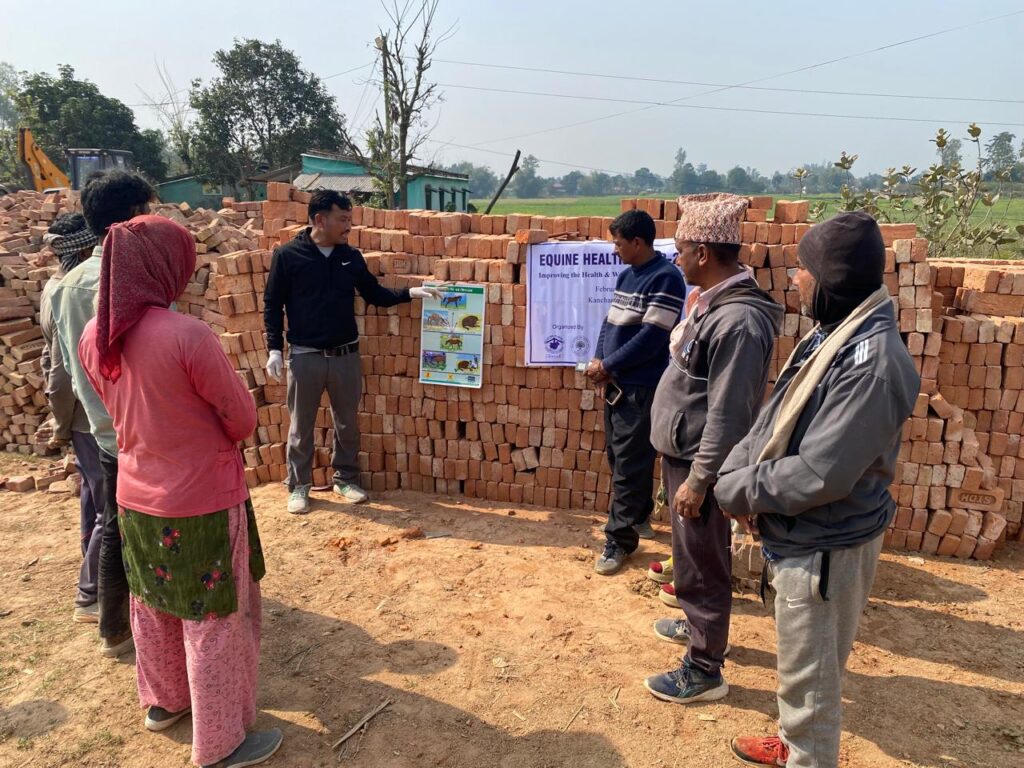
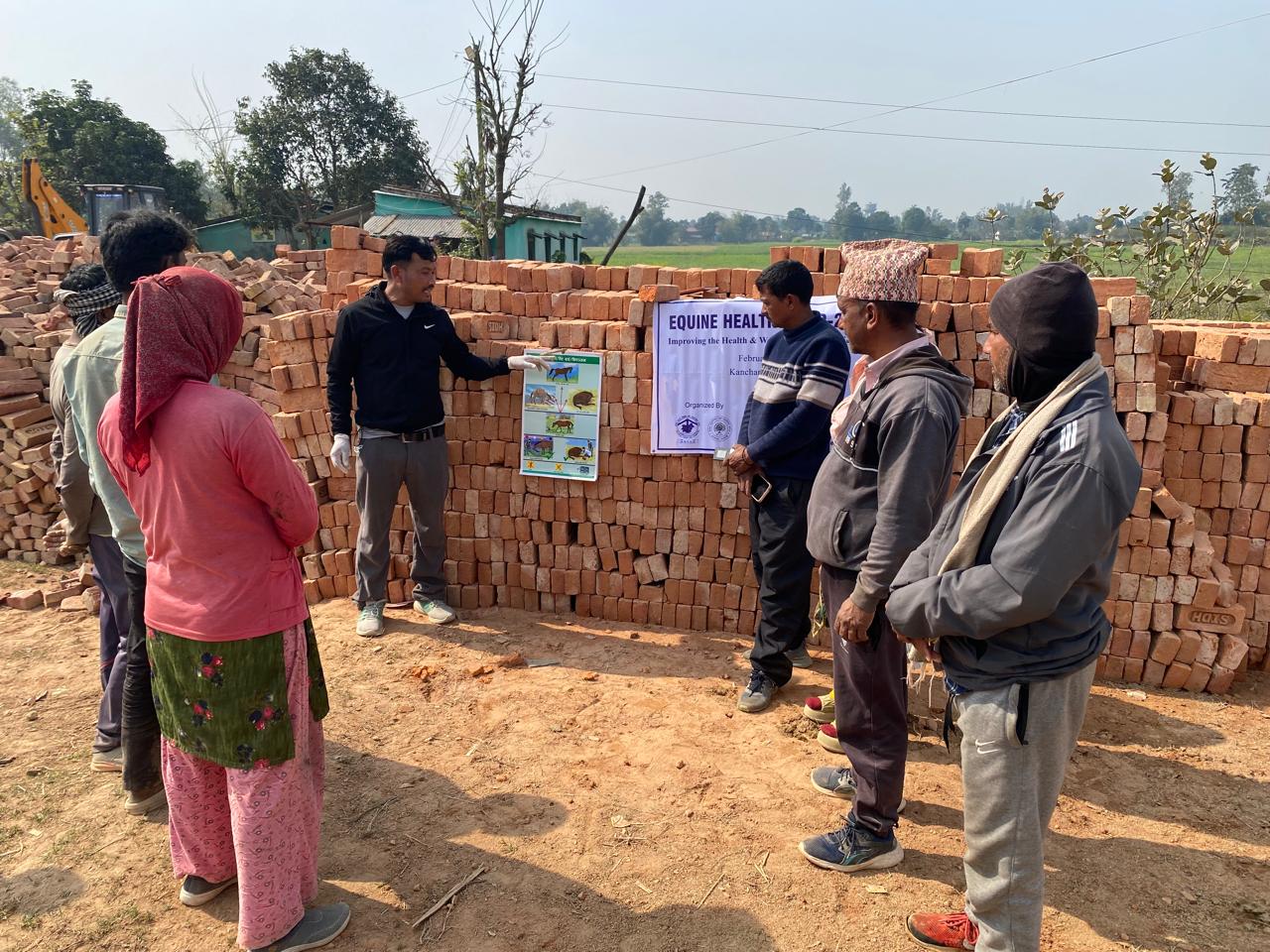
Limited knowledge among equine owners and handlers regarding proper feeding, humane handling, workload management, and disease prevention contributes to poor animal welfare and reduced productivity; therefore, the project will conduct training and awareness programs on balanced nutrition, preventive healthcare, proper harnessing, humane handling, workload management, and basic first aid for working equines.
- Lack of Farrier Services and Hoof Care
Hoof care is essential for equine health and working capacity, yet trained farriers are scarce in the target districts, leading to widespread hoof disorders and lameness. The project will address this by training selected community members and equine owners in basic farrier skills, including hoof trimming and prevention of hoof-related injuries.
- Poor Welfare Conditions in Brick Kiln Operations
Working equines in brick kilns are frequently exposed to excessive workloads, long working hours, and poorly designed harnesses, leading to injuries and fatigue.
The project will conduct orientation and awareness programs for brick kiln owners and managers to promote responsible animal management practices, including proper workload distribution, balanced feeding, humane treatment, and provision of shelter, rest areas, and clean drinking water.
- Disease Risk Due to Cross-Border Movement
Seasonal migration of equines from India to Nepalese brick kilns increases the risk of infectious and zoonotic diseases, which is worsened by weak disease surveillance. The project will strengthen monitoring and coordination by collaborating with the Department of Livestock Services, Animal Quarantine Division, veterinary laboratories, and development partners to improve vaccination, reporting, and disease control practices.
- Limited Institutional Coordination and Monitoring
Coordination among veterinary services, brick kiln associations, and animal welfare organizations is limited, and welfare monitoring is often inadequate. The project will address this by establishing a regular monitoring system in 20 brick kilns, assessing equine health, workload, feeding, housing, water, and harness conditions, with findings shared with owners and operators to promote ongoing improvements in welfare standards.
Expected Outcomes
The project is expected to improve the health and welfare of 160 working equines in Dang and Kanchanpur, enhance owners and handlers’ knowledge and adoption of better management practices, and strengthen local veterinary capacity for sustainable equine healthcare. It will also improve hoof care through trained community farriers, increase compliance with welfare standards in brick kilns, strengthen institutional coordination for disease prevention and surveillance, and promote greater policy recognition of equine welfare within Nepal’s livestock sector.