Supporting Agency: The Donkey Sanctuary; United Kingdom
Implementing Partners: Aasman Nepal, Animal Health Training and Consultancy Service (AHTCS), Preservation of Environment and Social Welfare Association of Nepal (PESWAN) and Health Concern
Duration: 2025-2026 Running
Theme: Welfare and Health of Working Equines, one health, Livelihood diversification and Income of Equine Owner, Disaster Preparedness and Community Resilience, Environment conservation and soil protection linking with fodder and forage, Crosscutting theme Child protection & Education.
Sub Sectors: Strengthen veterinary services, improve owner practices, enhance institutional capacity, community engagement improves health and animal welfare.
Catchment areas: Barekot and Nalagadh Municipality of Jajarkot, Nepal.
Project Description
Project Description
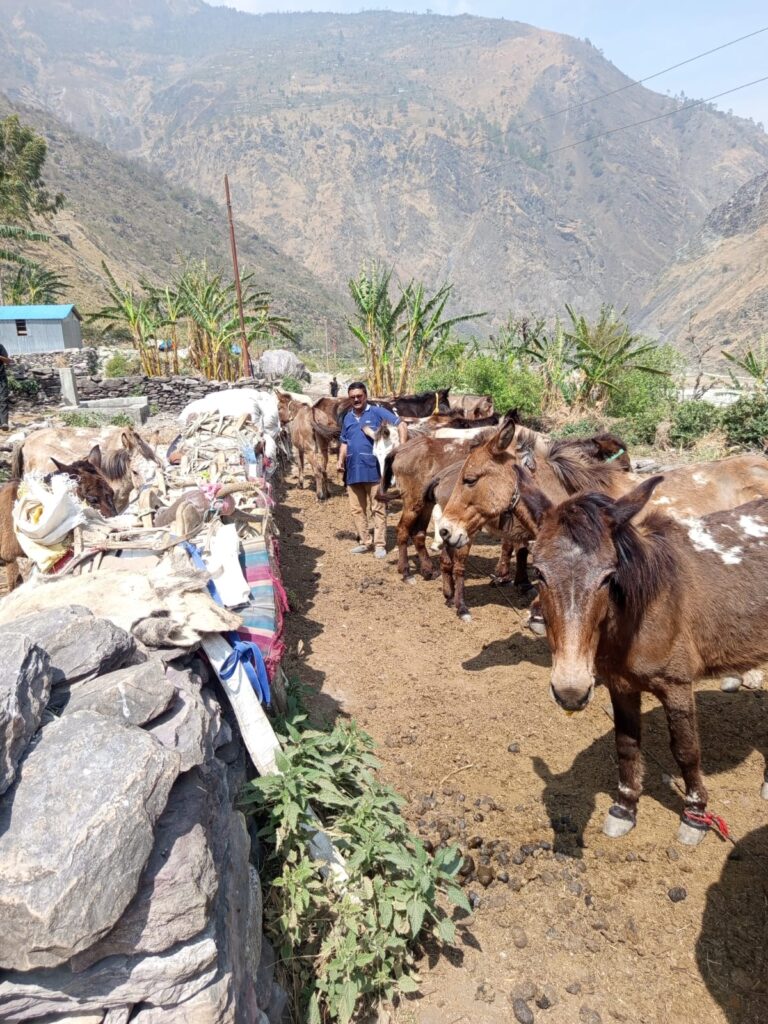
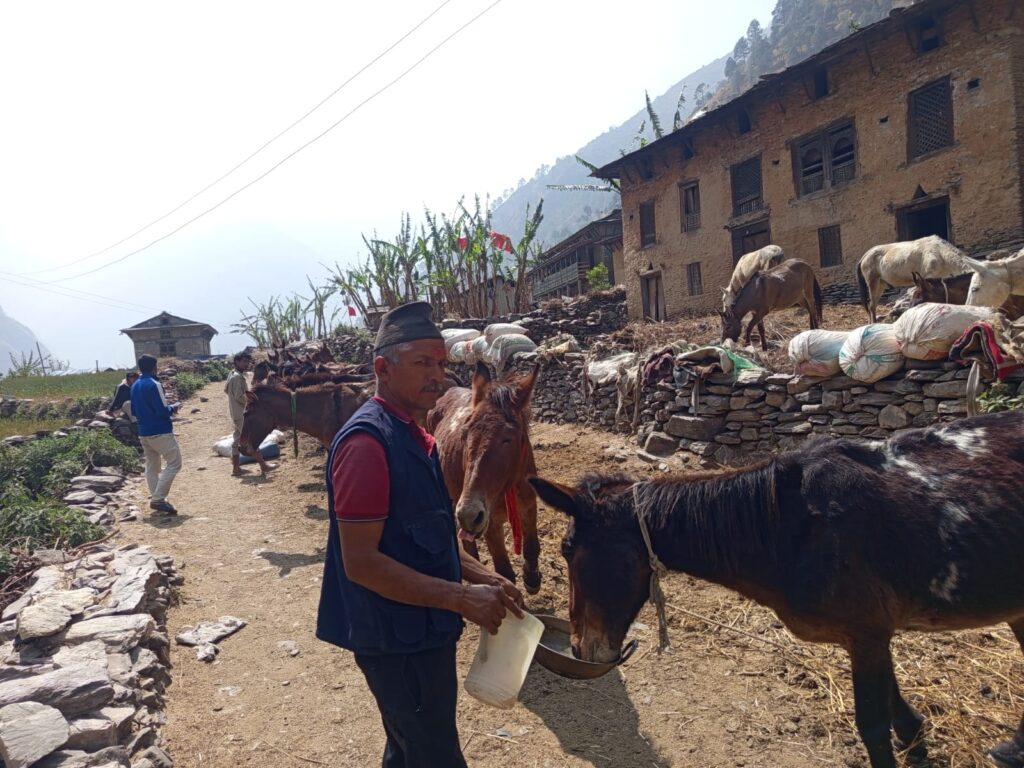
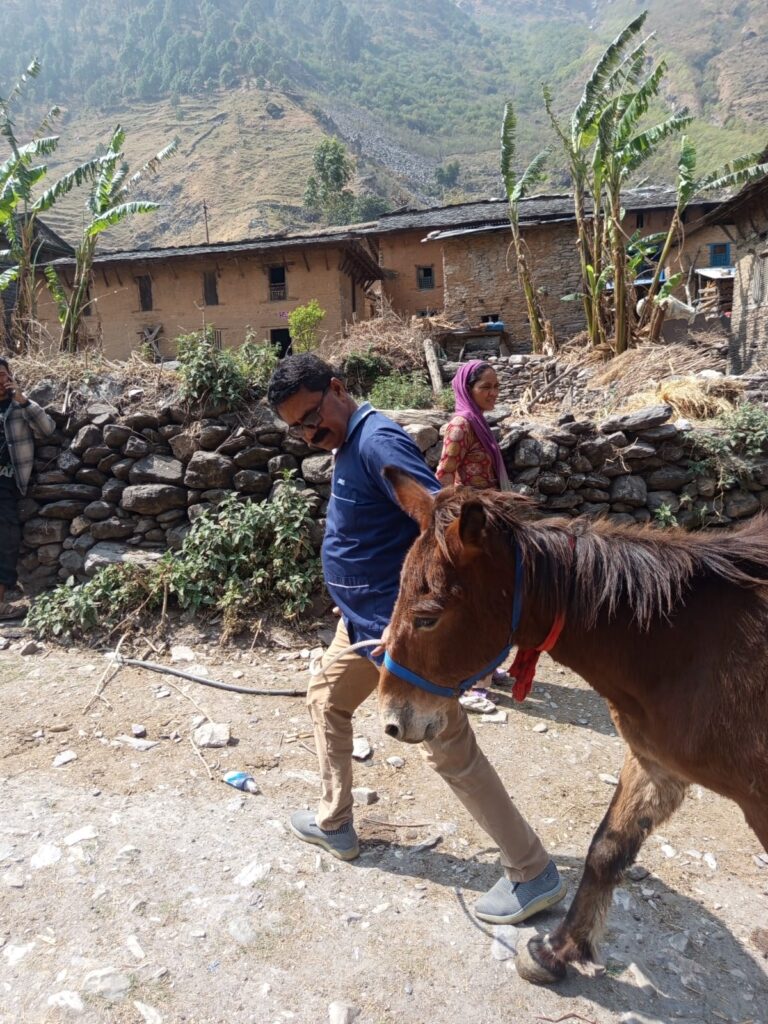
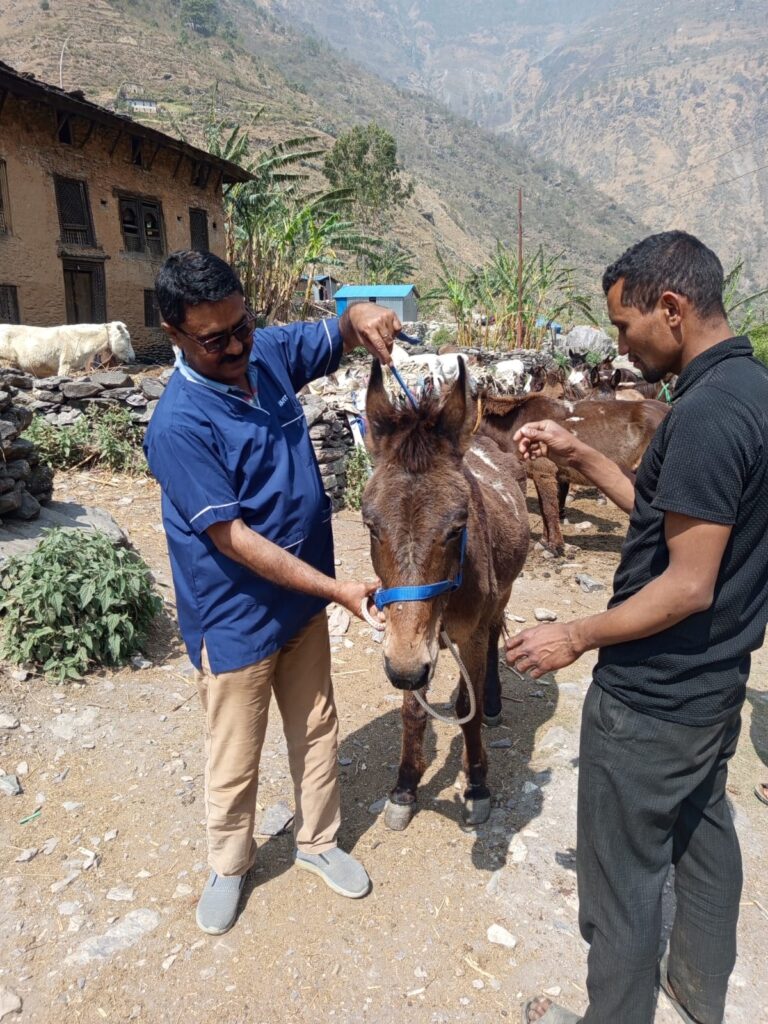
The Gallop for Good (GFG) project is a collaborative initiative funded by The Donkey Sanctuary and implemented by Aasaman Nepal in partnership with Animal Health Training and Consultancy Services (AHTCS), Preservation of Environment and Social Welfare Association of Nepal (PESWAN), and Health Concern (HC). The project is being conducted in Nalgadh and Barekot municipalities of Jajarkot District, Karnali Province over 18 months.
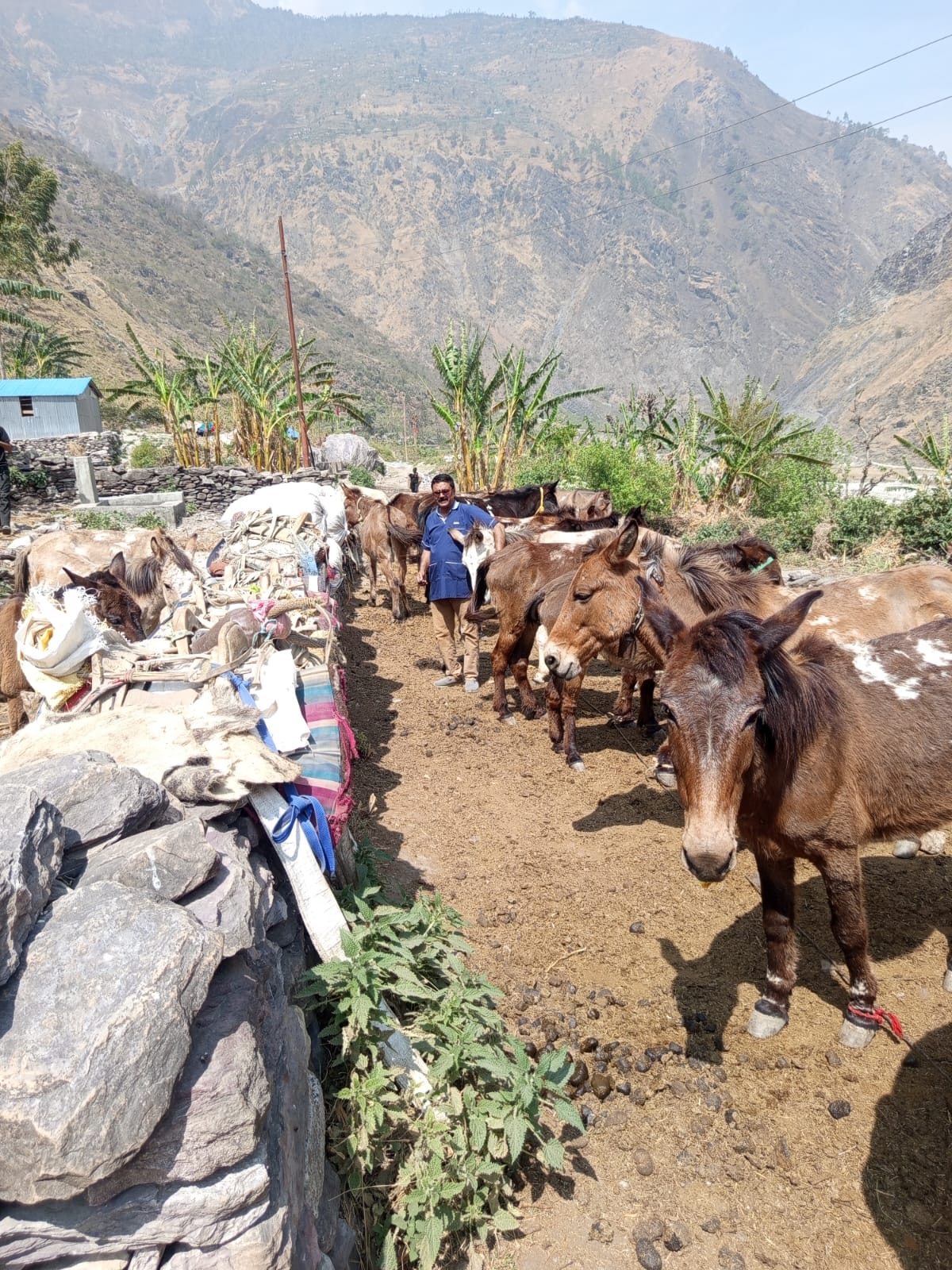
The project aims to improve the health and welfare of working mules while enhancing the livelihoods, resilience, and well-being of mule-dependent communities using a One Welfare approach that links animais welfare, human well-being, and environmental sustainability. Recognizing the critical role of mules in transporting goods across Nepal’s challenging terrain, the project addresses neglected welfare issues through integrated activities in animal health, livelihood diversification, environmental conservation, disaster preparedness, and child welfare.
Background
Jajarkot district was selected following field assessments which revealed high dependence on mules for transport and income generation in Nalgadh and Barekot municipalities. The district faces multiple challenges, including the 2023 earthquake, floods, and landslides, which have damaged infrastructure and increased household vulnerability.
Limited veterinary services, poor technical knowledge regarding mule management, and traditional treatment practices such as applying ash, turmeric, mustard oil, or chilli powder often contribute to poor mule health. These challenges highlight the need for targeted interventions addressing both animal welfare and community resilience.
Major Challenges and Issues need to be addressed:
Mule welfare and community livelihoods are hindered by limited veterinary care, poor knowledge of mule management, high dependence on mule labour, few alternative income opportunities, environmental degradation, vulnerability to disasters, and issues like child labour and limited education. These challenges highlight the need for an integrated approach addressing animal health, livelihoods, environmental sustainability, and social development.
Major Activities Being Implemented
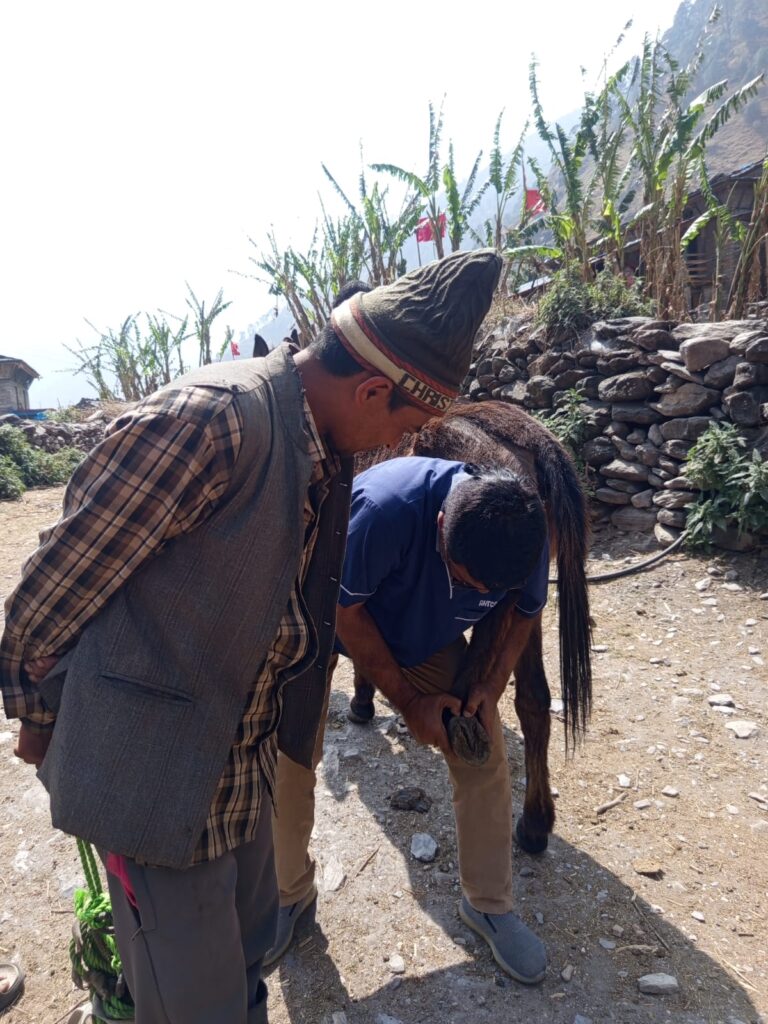
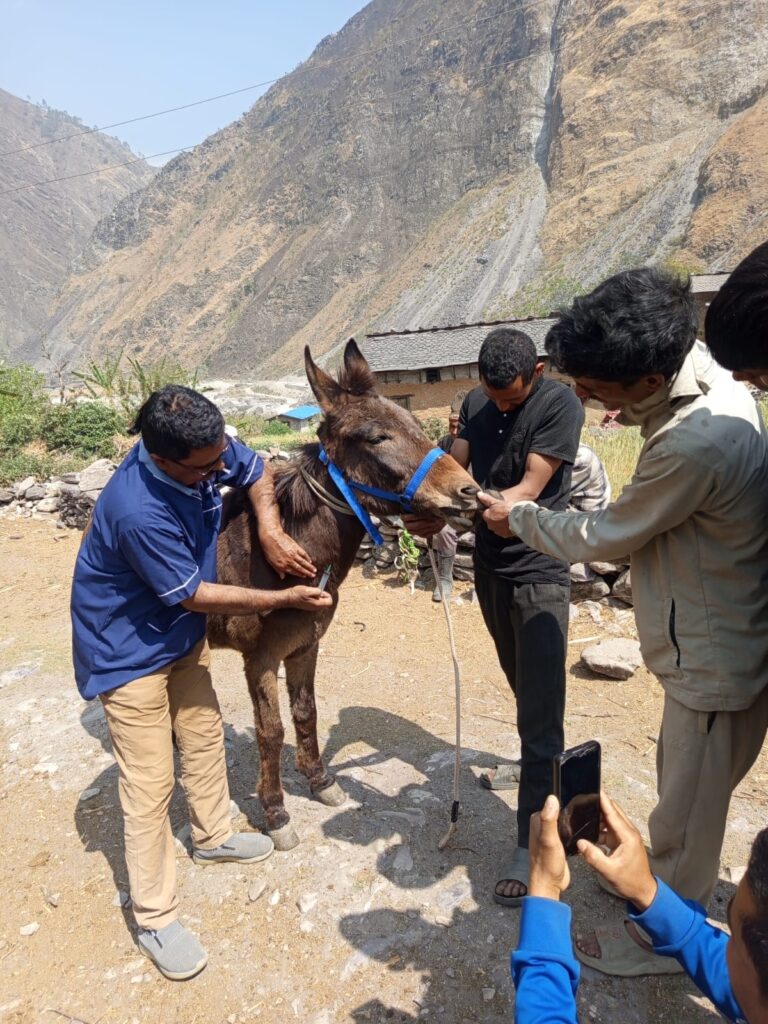
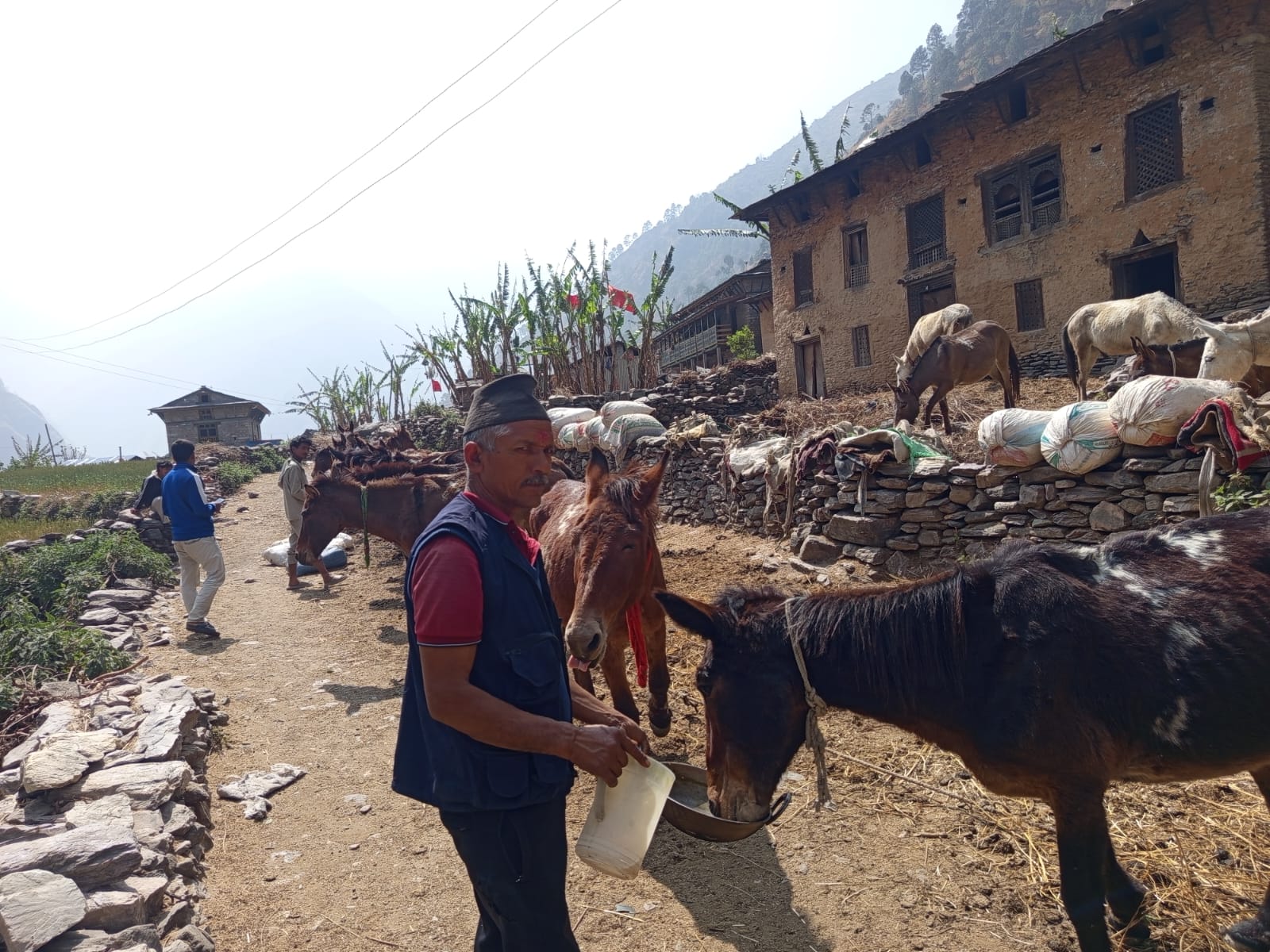
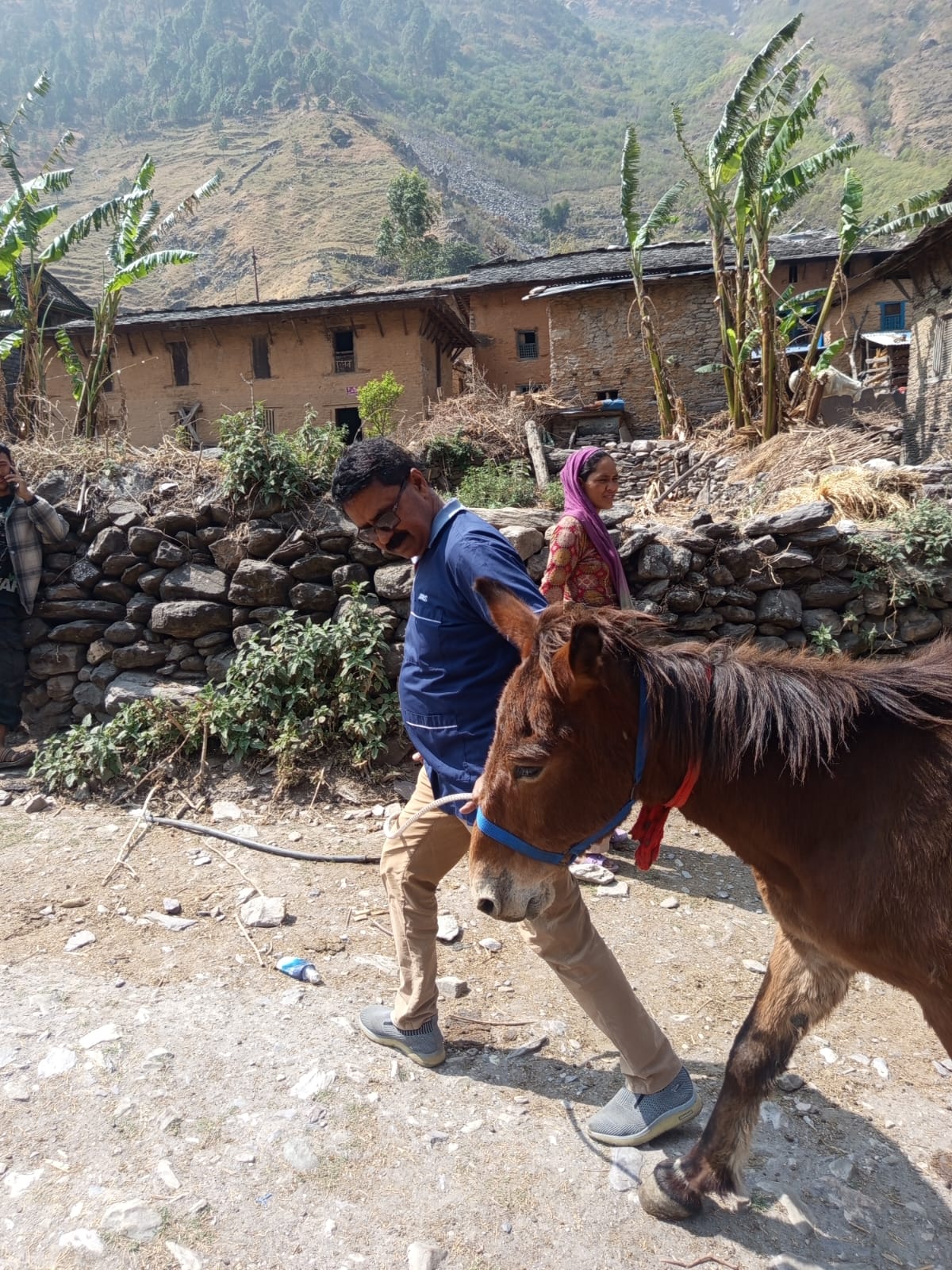
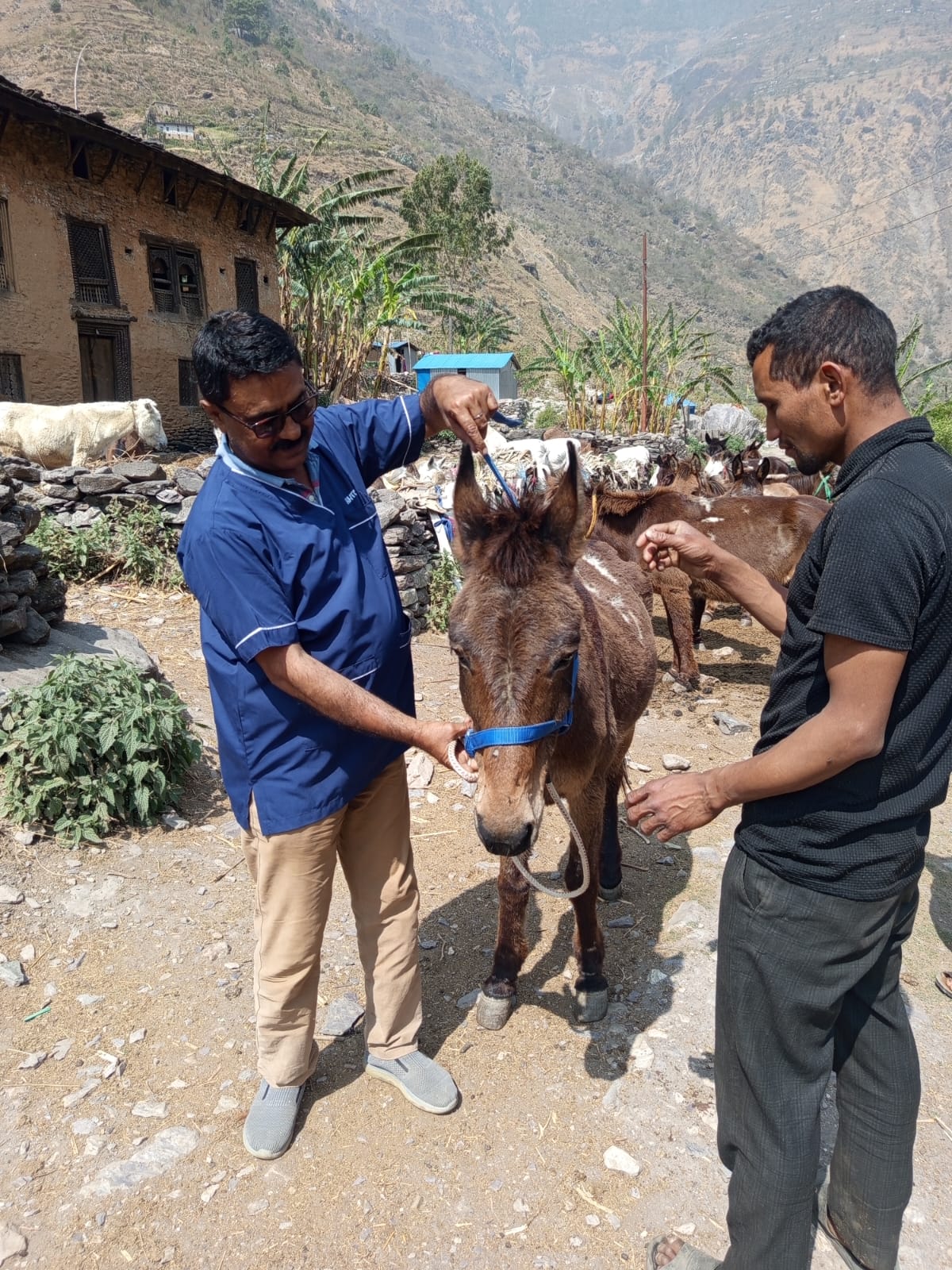
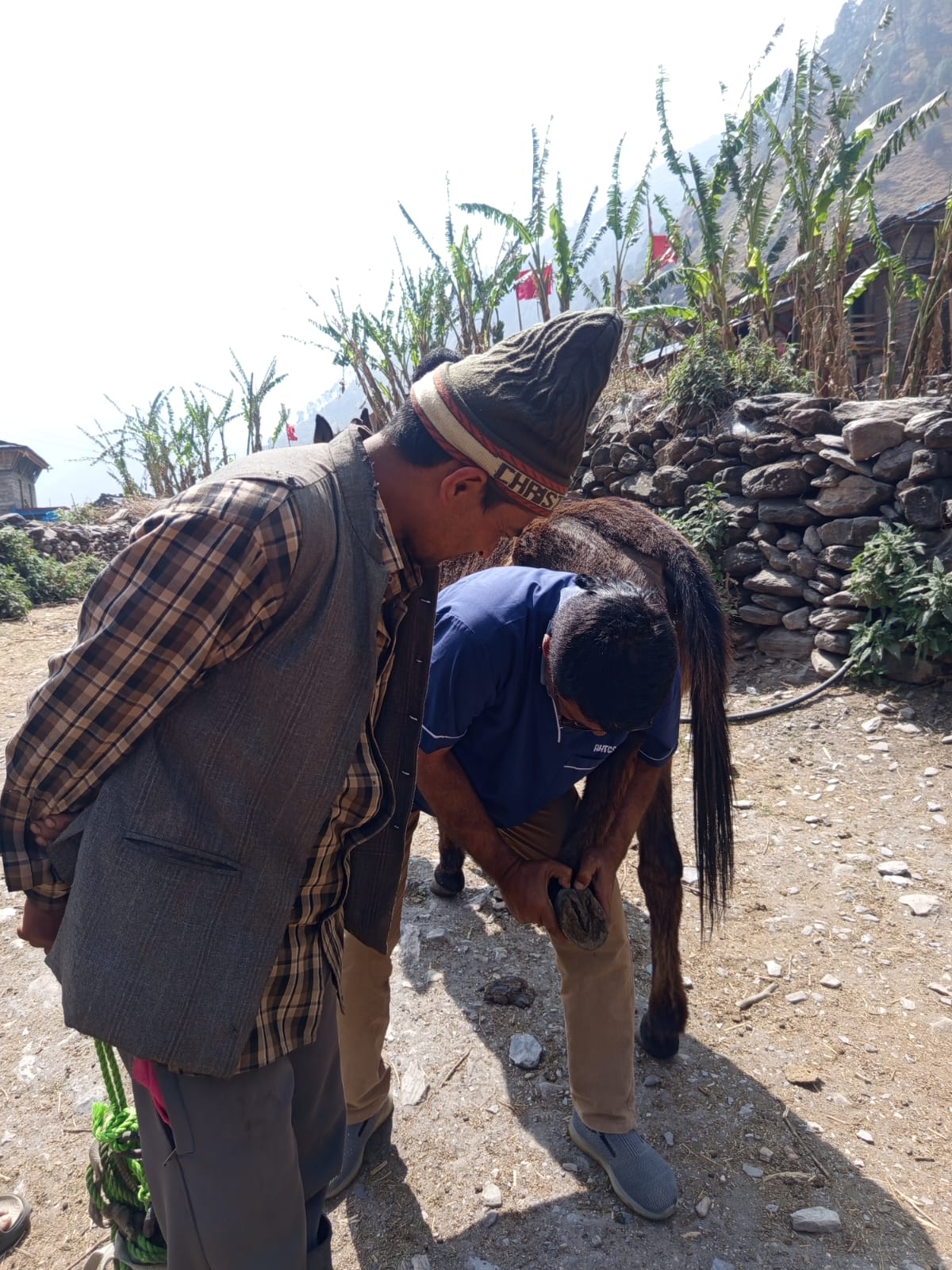
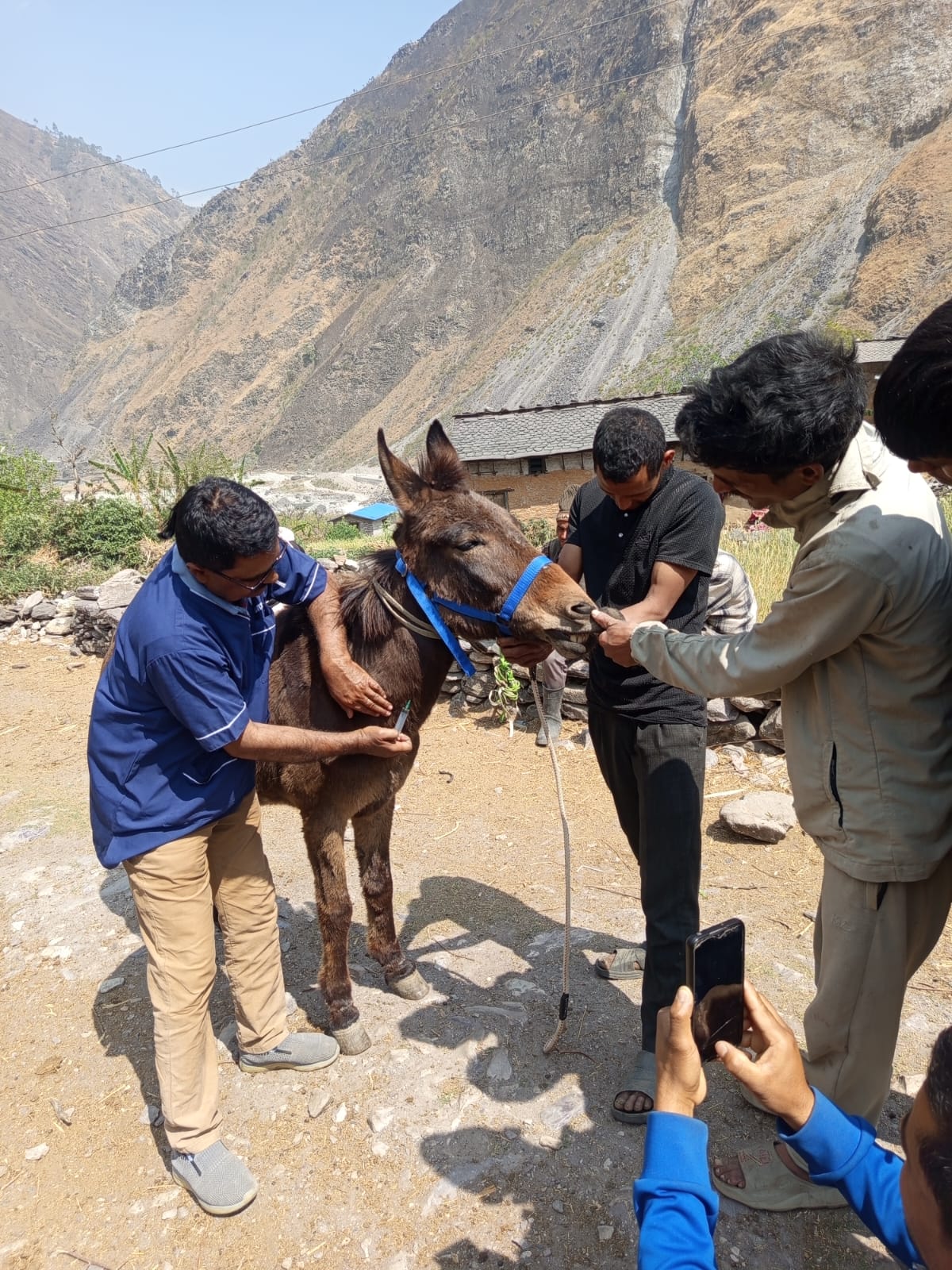
- Improving Mule Health and Welfare The project conducts veterinary outreach programs and health camps, offering hoof care, wound management, parasite control, vaccination, and check-ups. Mule owners receive training on feeding, humane handling, and first aid, while Community Mule Welfare Groups are being formed to monitor and promote animal care practices.
- Capacity Building and Awareness Community awareness programs, Mule Welfare Days, and dialogue sessions are educating mule owners and stakeholders on animal welfare and sustainable resource management, encouraging collaboration with veterinarians and local governments.
- Livelihood Diversification Alternative income sources are being promoted through vocational training in sustainable agriculture, handicrafts, and other small enterprises. Community savings and loan groups are improving financial resilience and reducing economic reliance on mule labour.
- Environmental Conservation activities include agroforestry, fodder plantations, soil conservation, and tree planting. Training on sustainable land use and water management supports long-term ecosystem health and fodder availability.
- Disaster Preparedness and Community Resilience Disaster Preparedness Committees are being formed and trained in emergency response, early warning systems, and safe evacuation practices for people and animals, strengthening community preparedness for natural hazards.
- Child Protection and Education The project promotes school enrolment, reduces child labour in mule transport, and organizes awareness programs on hygiene, nutrition, and responsible animal care. School-based welfare and hygiene clubs engage children in environmental and animal welfare activities.
Key Achievements and Outcomes to Date
- Improved access to veterinary services and better health conditions for working mules.
- Increased knowledge and adoption of improved mule management practices.
- Diversified income opportunities for mule-dependent households.
- Enhanced community awareness on animal welfare and environmental conservation.
- Strengthened disaster preparedness and resilience.
- Increased school participation and child protection awareness.
The project is demonstrating that improving mule welfare contributes to broader community well-being, sustainable livelihoods, and environmental stewardship.
Conclusion
The Gallop for Good project is successfully applying the One Welfare approach, integrating animal welfare, human well-being, and environmental sustainability. By addressing the interconnected challenges faced by working mules and their communities, the project is achieving measurable improvements in animal health, livelihoods, environmental conservation, and social resilience.
Collaboration among consortium partners, local governments, and community members is key to the project’s ongoing success. The interventions are providing a foundation for sustaining improved mule welfare practices and promoting long-term community resilience. The lessons being learned from this project offer a replicable model for future initiatives focused on working animal welfare and rural development in Nepal.